Cloud POS vs. Local Offline POS: Which System Fits Emerging Market Realities?
Western SaaS models presume 100Mbps fiber optics and reliable power grids. In emerging markets where subsea fiber cuts and brownouts are recurring realities, adopting a pure cloud POS can cripple your operations. Here is why the future belongs to "Local-First" architecture.
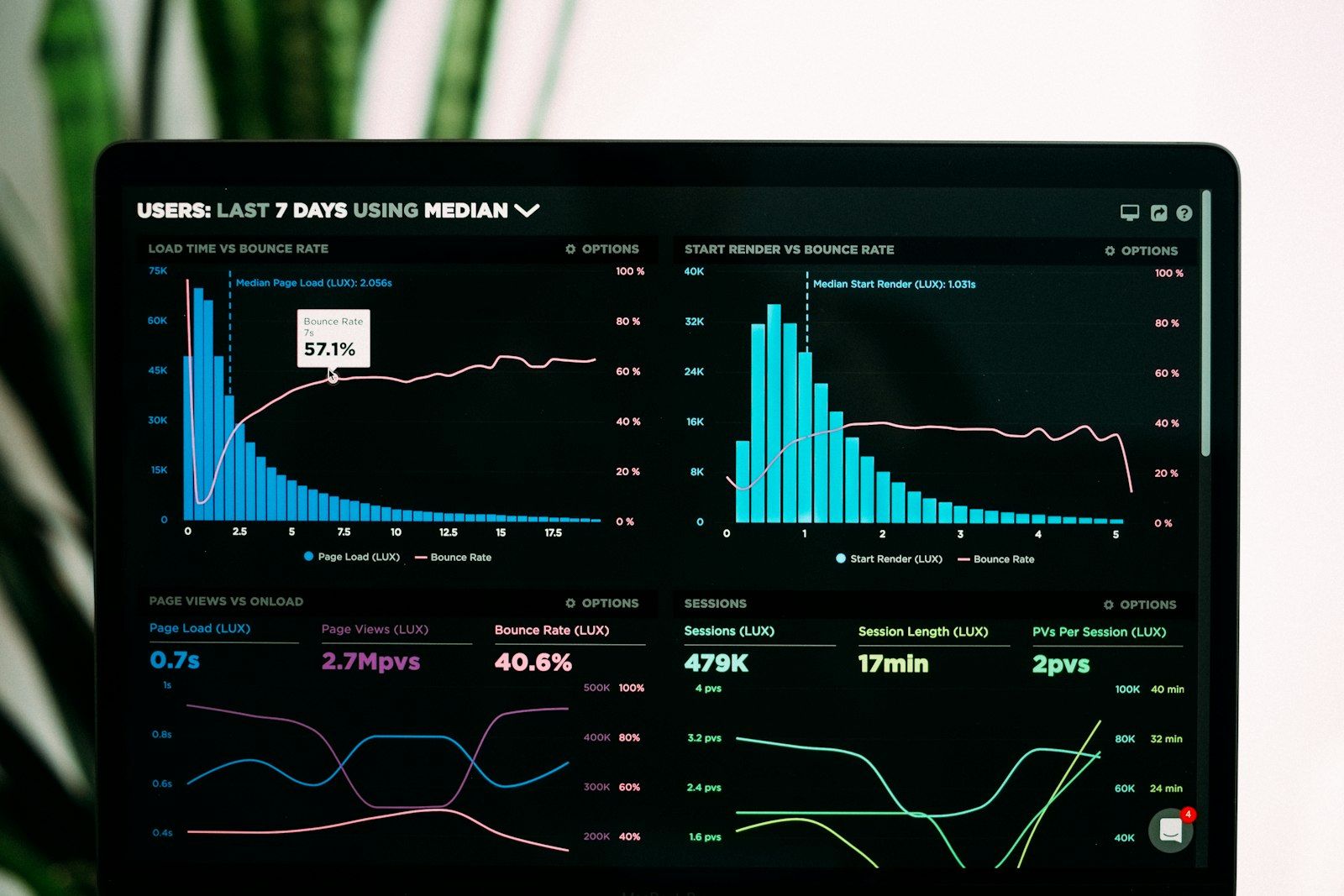
For the past decade, enterprise software vendors have preached a single gospel: move everything to the cloud. In theory, pure cloud Point of Sale (POS) software is elegant: there are no local servers to maintain, software updates happen automatically in the browser, and business owners can view real-time sales while traveling in Paris or Dubai.
However, when this architectural paradigm encounters the physical infrastructure of emerging markets across Sub-Saharan Africa, Latin America, and Southeast Asia, serious cracks appear.
The Three Generations of POS Architecture
| Feature | 1st Gen: Legacy On-Prem (1995–2012) | 2nd Gen: Pure Cloud SaaS (2012–2022) | 3rd Gen: Local-First Hybrid (LoungeOS) |
|---|---|---|---|
| Primary Data Store | Bulky Windows server under counter | Remote cloud database (AWS/GCP) | Distributed SQLite on venue edge nodes |
| Zero Internet Behavior | 100% functional, but isolated | Completely frozen / Error dialogs | 100% functional with local Wi-Fi routing |
| Owner Remote Access | Impossible without TeamViewer | Real-time via browser / mobile | Asynchronous cloud telemetry & bi-directional sync |
| Data Corruption Risk | High (sudden power cuts corrupt HDD) | Low in cloud, catastrophic during offline drop | Zero (ACID WAL logs + Conflict-Free CRDTs) |
Why Pure Cloud Fails the Peak Service Test
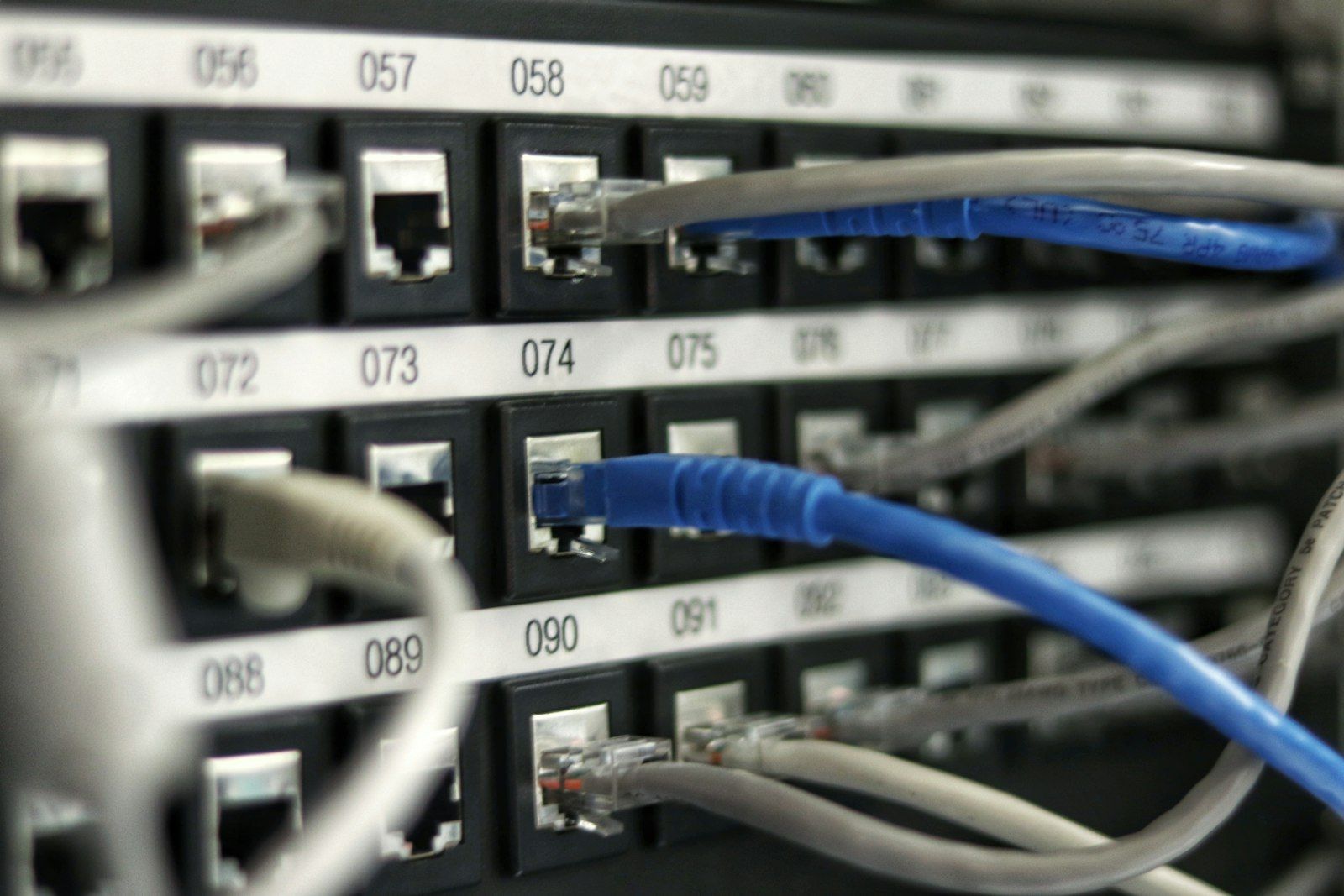
During peak evening trade, a waiter tapping "Send Order" cannot wait 1,200ms for an SSL handshake and remote database commit. If three international subsea cables (like the WACS or ACE fiber cables off West Africa) suffer an anchor drag, internet bandwidth throttles down to erratic 2G speeds for weeks.
If your POS relies on continuous cloud round-trips:
- Waiters stand paralyzed beside tables waiting for spinners to resolve.
- Kitchen thermal printers miss tickets because WebSocket connections drop silently.
- End-of-shift cash drawer reconciliations fail because closed sessions cannot upload.
How LoungeOS Pioneers Local-First POS
SIGALIX designed LoungeOS with a three-layer operational model:
- Layer 1 — Instant Edge Latency (<2ms): Taps, orders, kitchen chits, and table transfers execute against a localized database engine running right on the local Wi-Fi router or floor mini-PC.
- Layer 2 — Local P2P Synchronization: Waiter tablets, bar displays, and cashier desks share state across the local router using fast, secure UDP/TCP broadcast packets. No internet is touched.
- Layer 3 — Background Cloud Replication: When an internet connection is established, LoungeOS spins a low-priority background worker that pushes compressed delta patches to the SIGALIX Cloud Core, populating the owner's executive dashboard and financial analytics.
Build on Architecture That Never Quits
Discover how LoungeOS gives you the modern beauty of cloud dashboards with the unbreakable reliability of local-first engineering.
Explore Architecture & Deploy LoungeOS