How to Keep Your Restaurant or Lounge Running Through Power Cuts & Internet Outages
In Lagos, Yaoundé, Kinshasa, and Accra, power interruptions and subsea cable cuts are not exceptions — they are daily operating variables. When cloud-only POS systems spin loading spinners, tickets halt and venues bleed cash. Here is the engineering blueprint for zero-downtime hospitality.
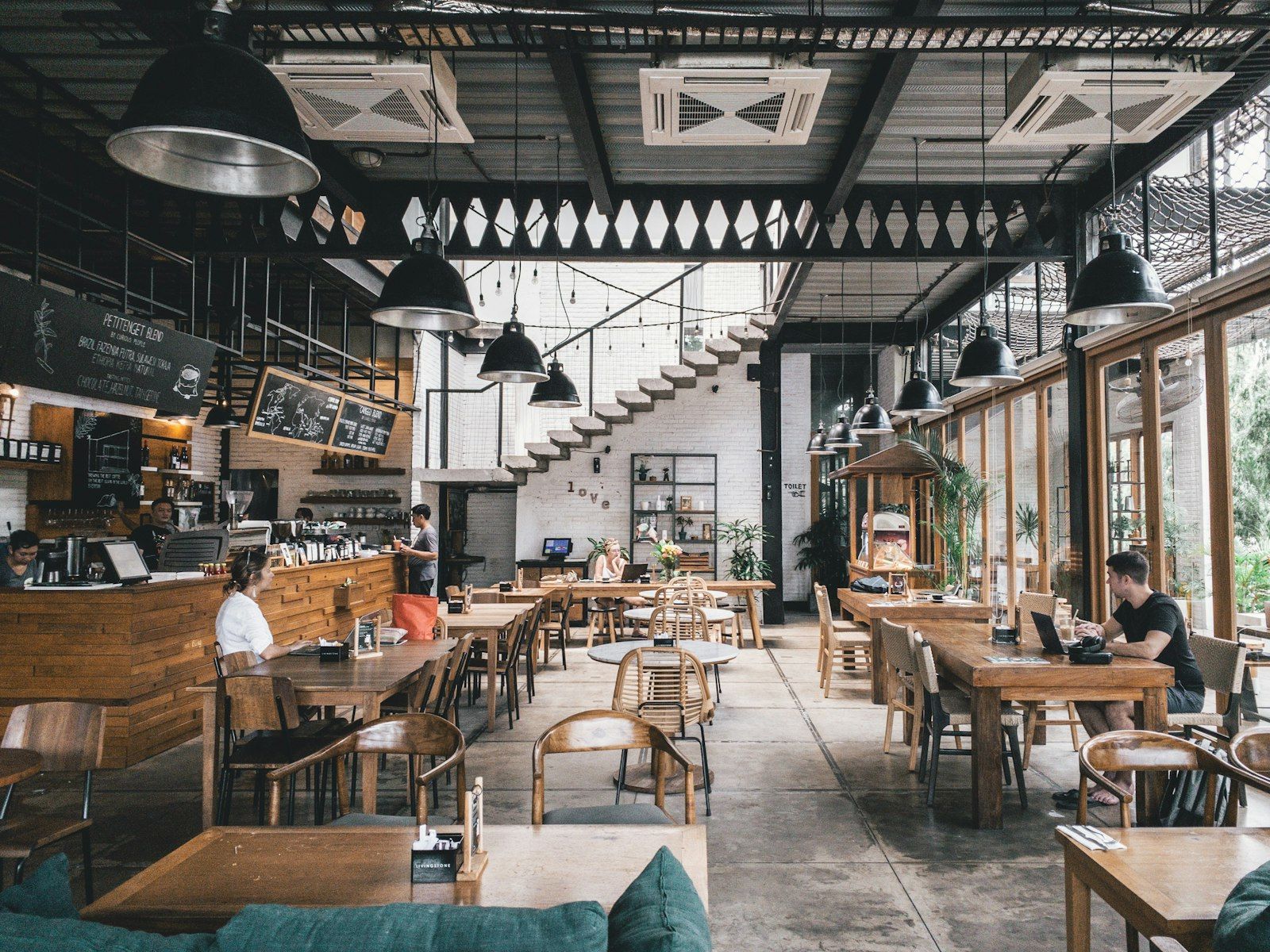
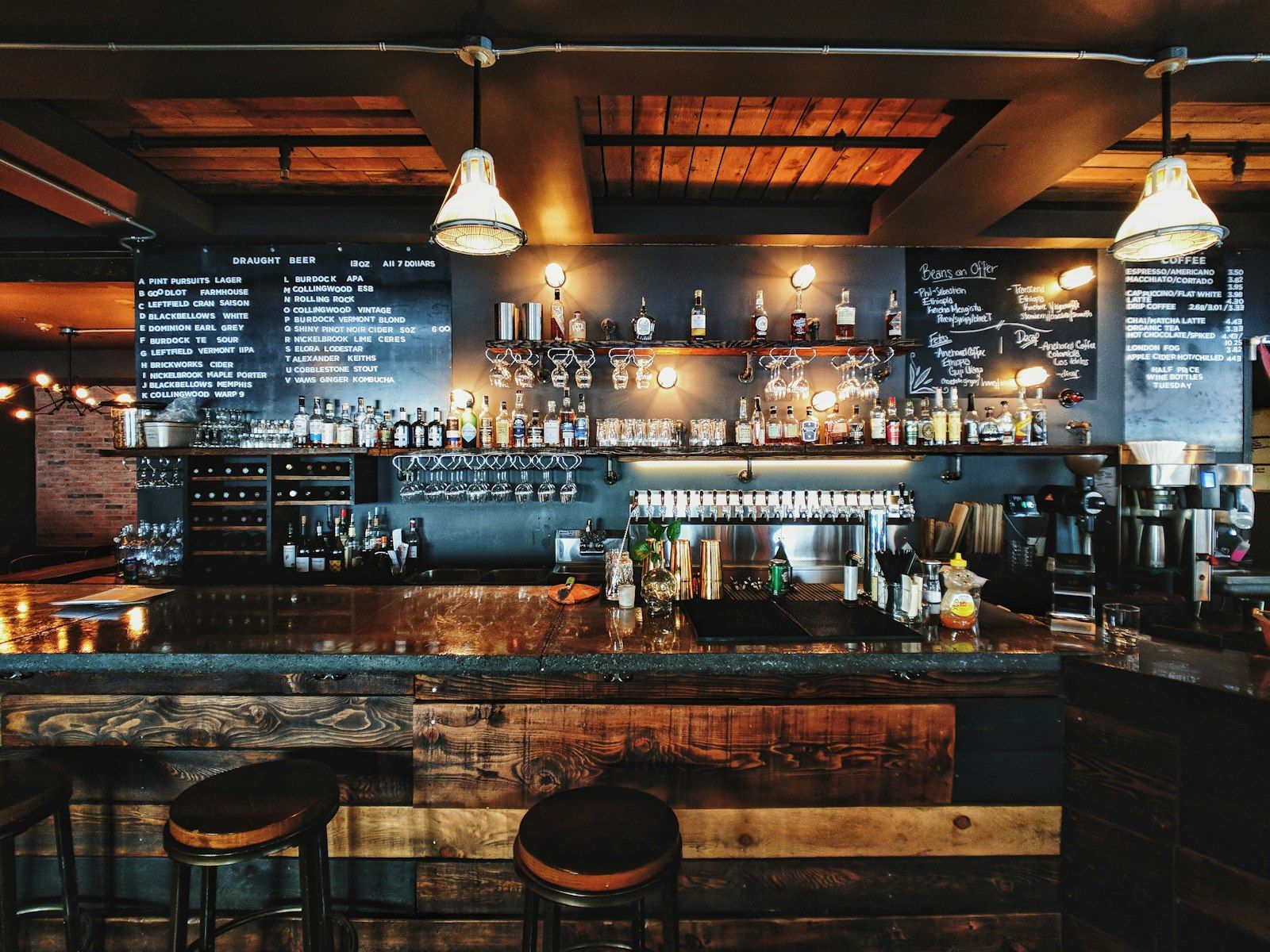
Picture a Saturday night at 9:30 PM. Your dining room is at 95% capacity, 40 cocktail orders are pending at the bar, and three birthday platters are sizzling in the kitchen. Suddenly, the street transformer trips. The lights flicker, your generator kicks in 12 seconds later, but your ISP’s fiber modem stays dead for the next three hours.
If your venue is running a conventional Silicon Valley cloud POS (such as Toast, Square, or generic web-based SaaS), service grinds to a complete standstill. Waiters cannot submit orders, the kitchen thermal printer does not beep, tables cannot get bills, and panicked floor staff revert to loose paper napkins and scribbled pens.
The Flaw of "Cloud-Only" POS in Developing Markets
Most modern SaaS software assumes constant, unmetered, low-latency broadband connectivity. Every click on a waiter tablet sends an HTTP POST request across the Atlantic or Europe to a centralized database in Frankfurt or Virginia.
When the upstream internet link breaks, cloud apps throw unrecoverable error banners. Even those that advertise an "offline mode" typically only cache credit card swipes — which is useless in a cash and Mobile Money market where real-time coordination between the waiter, the kitchen display system (KDS), and the cashier is critical.
How LoungeOS Solves the Connectivity Dilemma
At SIGALIX, we engineered LoungeOS from day one to treat internet connectivity as an optional luxury rather than a hard dependency.
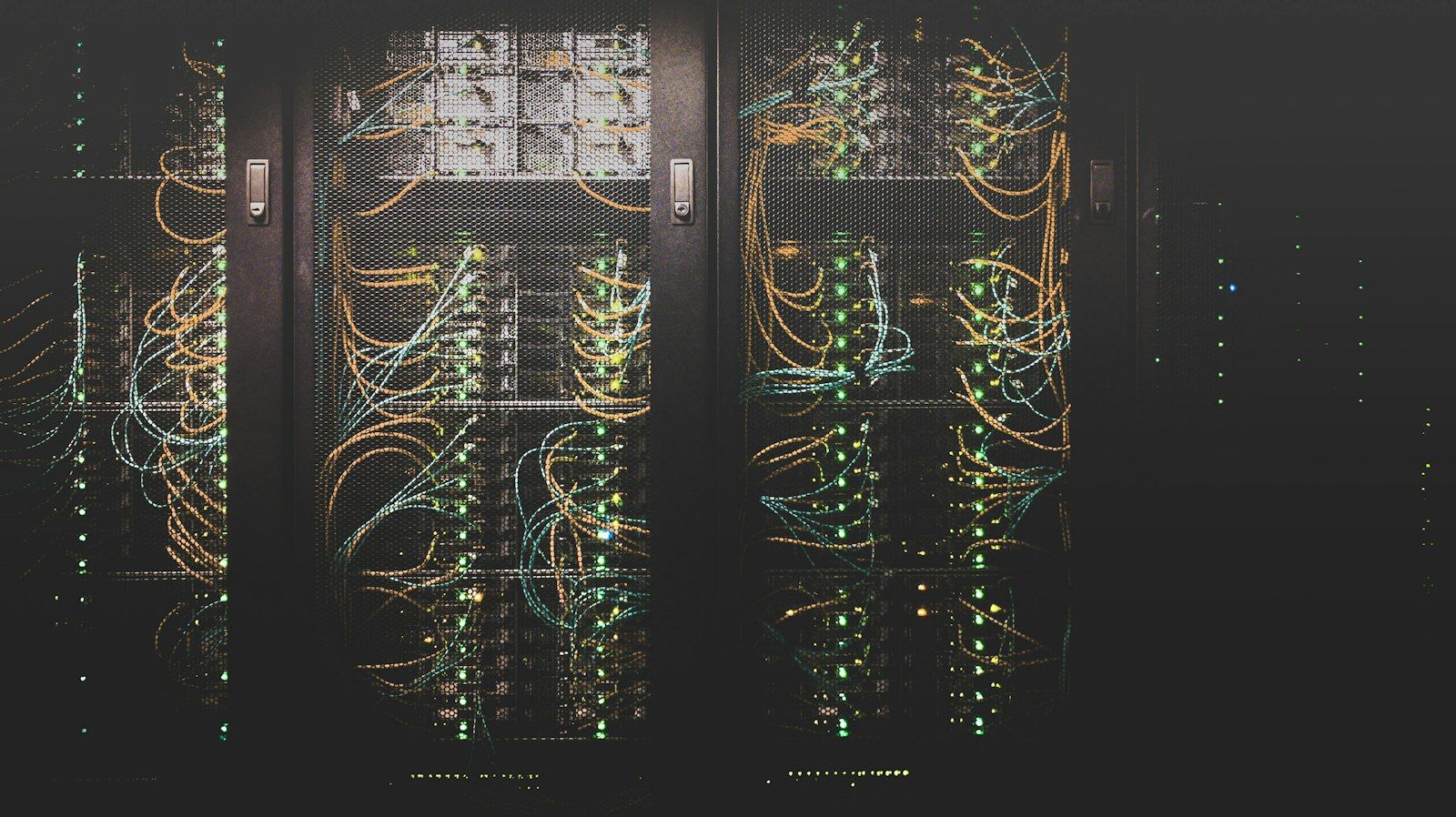
1. Edge SQLite Replicas on Every Station
Every device running LoungeOS inside the venue holds a localized SQLite database. Orders are committed locally in under 2 milliseconds. Even if a waiter walks into a soundproof VIP lounge where Wi-Fi signal drops momentarily, the order registers instantly and syncs via peer gossip protocols the second they return to the bar's wireless range.
2. Direct LAN Kitchen Display Dispatch
Tickets bypass the internet entirely. Handheld orders broadcast directly to kitchen printers and screen displays over raw TCP/IP sockets on the local subnet (e.g. 192.168.1.150:9100). Drinks print at the dispense bar, steak orders appear in the hot kitchen, and bills calculate at the front desk without sending a single byte outside the building.
3. Asynchronous Conflict-Free Cloud Synchronization (CRDTs)
When the fiber line or 4G backup eventually reconnects at 2:00 AM, LoungeOS runs conflict-free replicated data algorithms. It pushes sales records, item inventory decrements, and staff shift logs to the owner's cloud dashboard without duplicate ticket entries or missed sales.
Actionable Venue Hardware Checklist for Blackouts
- 1000VA UPS Battery for Network Equipment: Plug your Wi-Fi access points, router, and central POS hub into a dedicated line-interactive UPS so they never experience the 10-second voltage gap when the generator starts.
- Dual-WAN Router with Auto 4G SIM Failover: Utilize an inexpensive multi-WAN router (like a TP-Link or MikroTik) that automatically routes outbound MoMo API calls to a SIM dongle if the primary fiber drops.
- Battery-Powered Handhelds: Ensure waiter tablets are equipped with high-capacity batteries that deliver 12+ hours of active display time.
Experience Zero-Downtime POS with LoungeOS
Keep your kitchen, bar, and registers moving at 100% capacity regardless of internet cuts or grid fluctuations.
Schedule a Technical Architecture Demo